
2025 Driveway Paving Cost Guide: Asphalt vs Concrete vs Pavers Compared
Average Driveway Paving Costs in 2025
The cost of paving a driveway varies significantly based on material choice, regional labor rates, and project complexity. For a standard 600-square-foot driveway, homeowners can expect to pay between $1,800 and $15,000 depending on their chosen material.
Asphalt driveways remain the most budget-friendly option at $6 to $12 per square foot installed. Concrete driveways fall in the mid-range at $10 to $15 per square foot, while premium paver driveways command $18 to $25 per square foot. These prices include materials, labor, site preparation, and basic grading.
Asphalt Driveway: The Budget-Friendly Choice
Asphalt paving offers excellent value for homeowners seeking durability without breaking the bank. This petroleum-based material performs exceptionally well in colder climates, as it flexes with freeze-thaw cycles rather than cracking. Professional installation typically takes just one to two days for a standard residential driveway.
The main advantages of asphalt include quick installation, easy repairs, and excellent cold-weather performance. However, asphalt requires resealing every three to five years and has a shorter lifespan of 15 to 20 years compared to other materials. In hot climates, asphalt can soften and become susceptible to damage from vehicle fluids and heavy loads.
Concrete Driveway: The Long-Term Investment
Concrete driveways represent a middle-ground investment that pays dividends over time. With proper installation and maintenance, concrete surfaces can last 30 to 40 years—nearly double the lifespan of asphalt. Modern decorative options including stamping, staining, and exposed aggregate finishes allow homeowners to customize their concrete driveway's appearance.
Concrete excels in hot climates where it remains stable under extreme temperatures. The material requires minimal maintenance beyond occasional cleaning and joint sealing. On the downside, concrete is more susceptible to cracking in freeze-thaw regions and costs more to repair when damage occurs. Installation takes three to five days, including curing time before the surface can bear vehicle traffic.
Paver Driveway: Premium Aesthetics and Flexibility
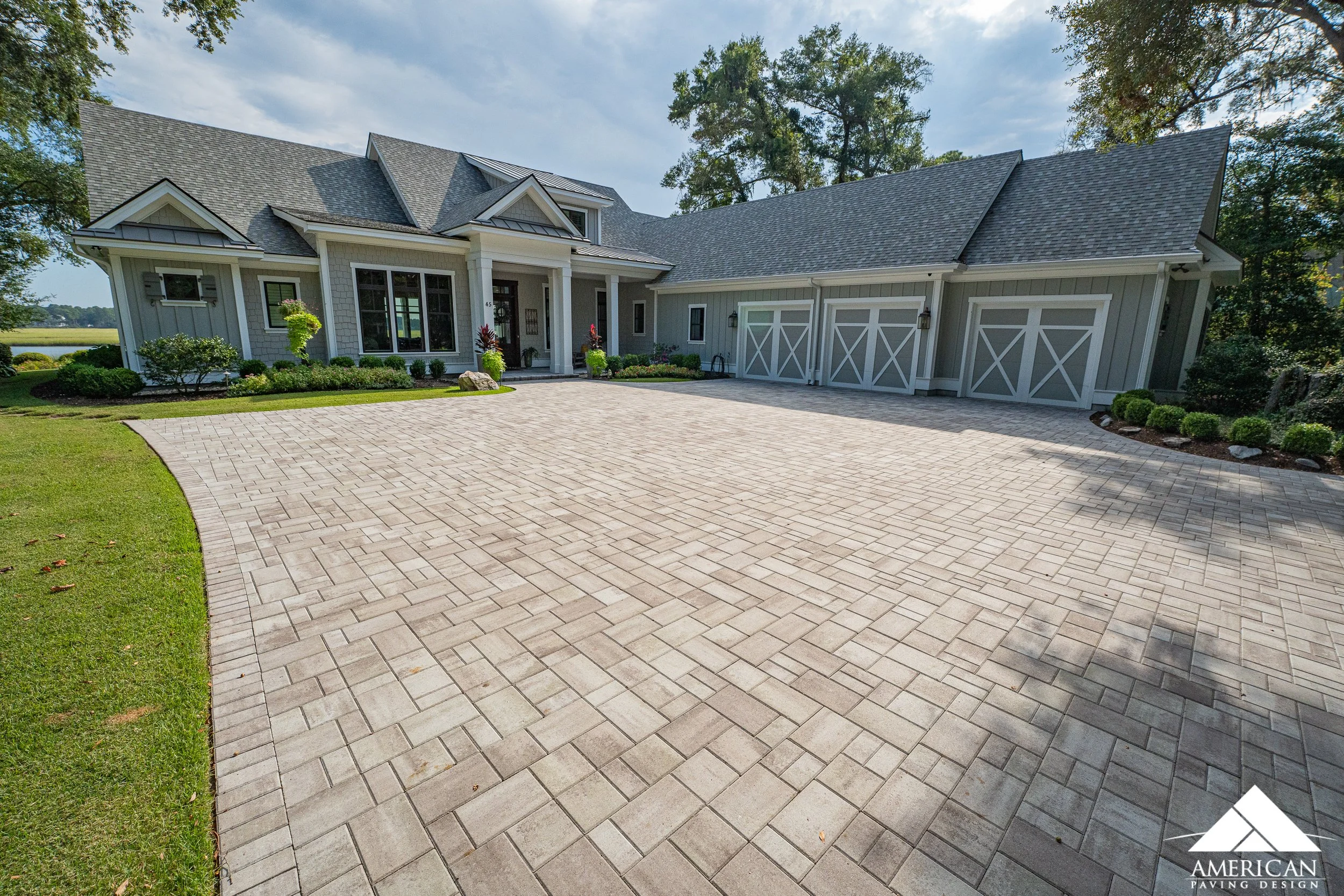
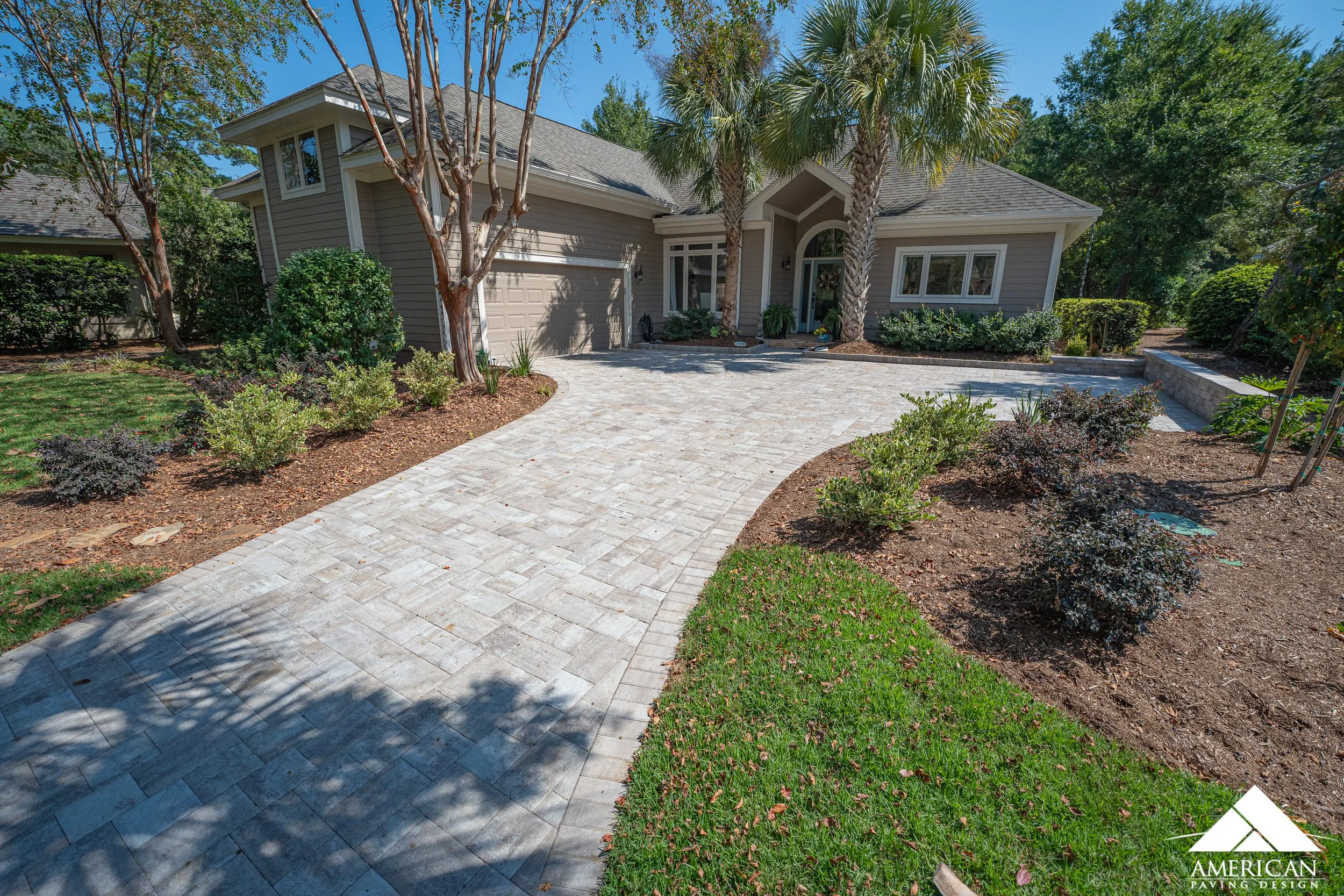
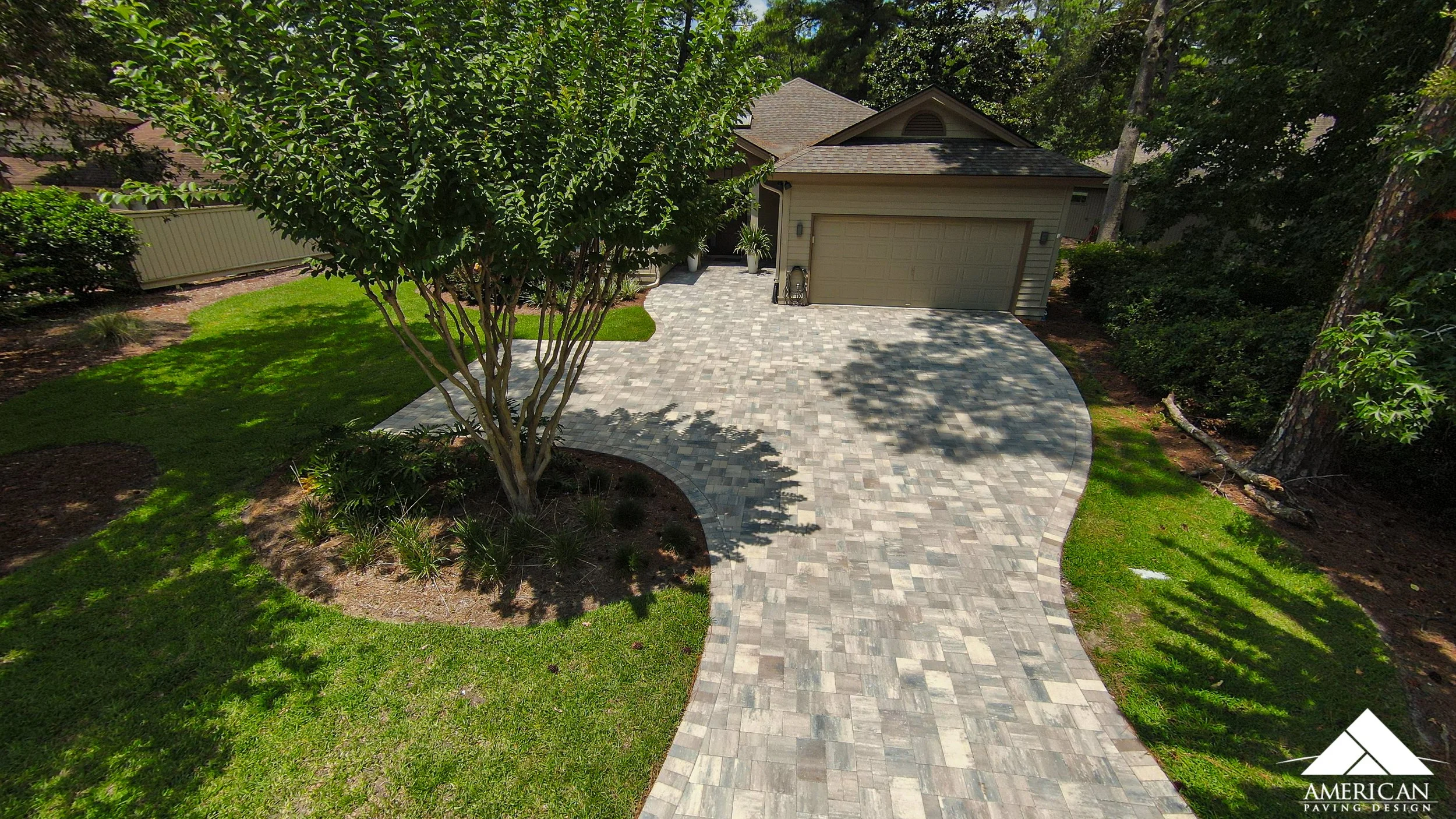
Interlocking pavers represent the premium tier of driveway materials, offering unmatched design flexibility and curb appeal. Available in concrete, brick, and natural stone varieties, pavers create stunning entrances that can boost property values by 5 to 10 percent. Individual pavers can be replaced if damaged, making long-term maintenance more manageable than full-surface repairs.
The interlocking design allows pavers to flex with ground movement, reducing crack formation. Permeable paver options support sustainable drainage and may qualify for green building incentives in some municipalities. The primary drawbacks include higher upfront costs, potential for weed growth between joints, and the need for periodic re-sanding and sealing.
Planning a new driveway or replacing an old one? Understanding driveway paving costs is essential for making an informed investment in your property. In 2025, homeowners across America are navigating rising material costs while seeking the perfect balance between durability, aesthetics, and budget. This comprehensive guide breaks down everything you need to know about asphalt, concrete, and paver driveways—from initial installation costs to long-term value.
Factors That Affect Your Driveway Paving Cost
Several variables influence the final price of your driveway project. Driveway size directly impacts material and labor costs. Complex shapes, curves, and slopes require additional expertise and time. Existing driveway removal adds $1 to $3 per square foot. Site preparation including grading, drainage solutions, and base material installation affects the total investment.
Geographic location plays a significant role in pricing. Urban areas and regions with higher costs of living typically see elevated labor rates. Material availability also varies by region—asphalt may cost more in areas far from refineries, while certain paver styles may require shipping from distant suppliers.
How to Choose the Right Driveway Material
Selecting the ideal driveway material requires balancing multiple factors. Consider your local climate first—asphalt handles cold winters better, while concrete thrives in hot, sunny regions. Evaluate your budget for both installation and long-term maintenance. Think about your home's architectural style and how different materials complement your property's aesthetic.
Request quotes from at least three licensed paving contractors in your area. Verify their insurance, check references, and ask to see completed projects similar to yours. A reputable contractor will provide a detailed written estimate covering materials, labor, timeline, and warranty information.
Maximize Your Driveway Investment
Regardless of which material you choose, proper installation and maintenance are key to maximizing your investment. Ensure adequate base preparation—this foundation determines your driveway's longevity more than any other factor. Follow recommended maintenance schedules for sealing, cleaning, and addressing minor damage before it spreads.
Consider timing your project strategically. Late spring through early fall offers optimal paving conditions in most regions. Some contractors offer off-season discounts during slower winter months. Planning ahead allows you to gather multiple quotes, secure financing if needed, and schedule installation during ideal weather conditions.