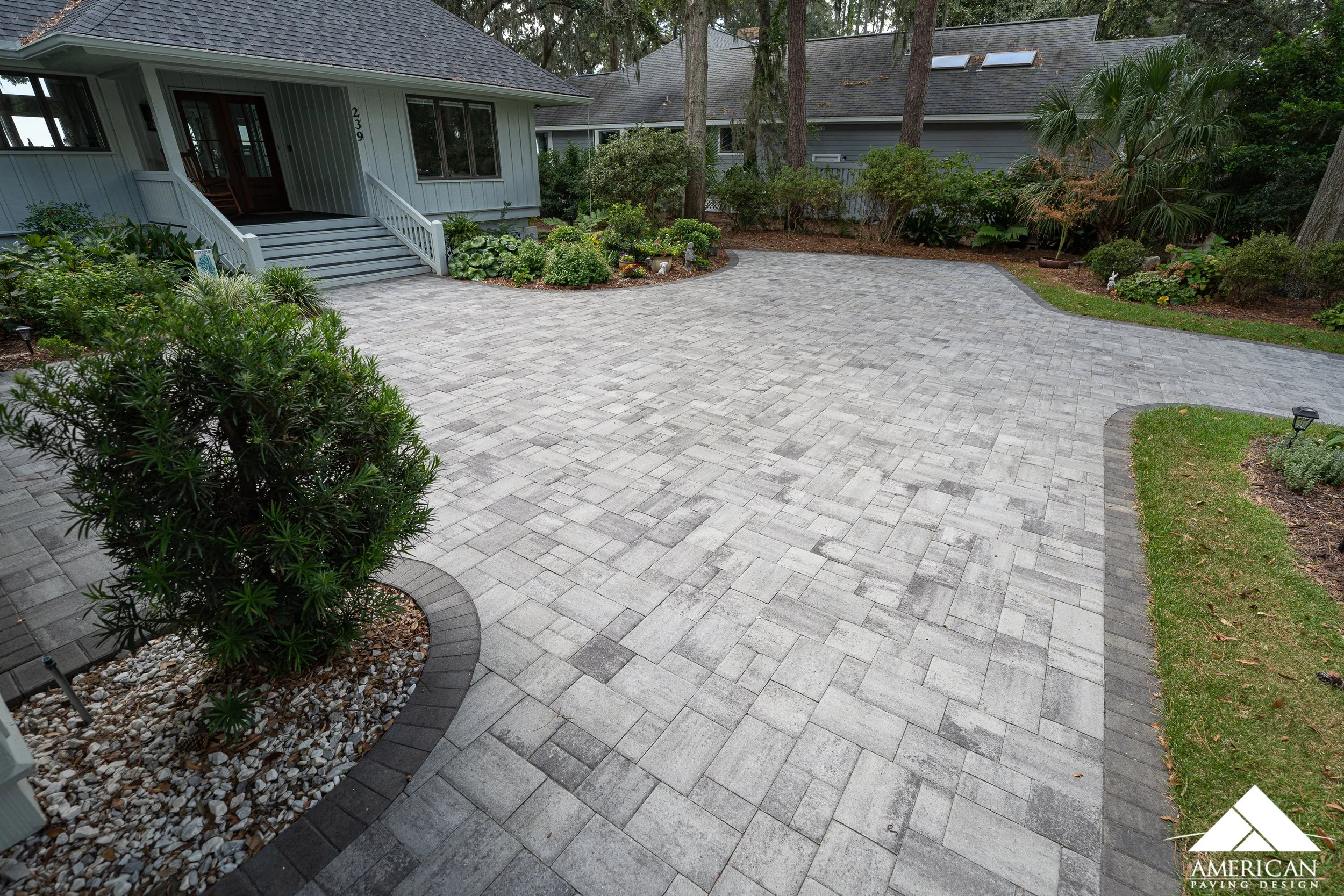
Why Paver Driveways Are Replacing Concrete Driveways Across South Carolina
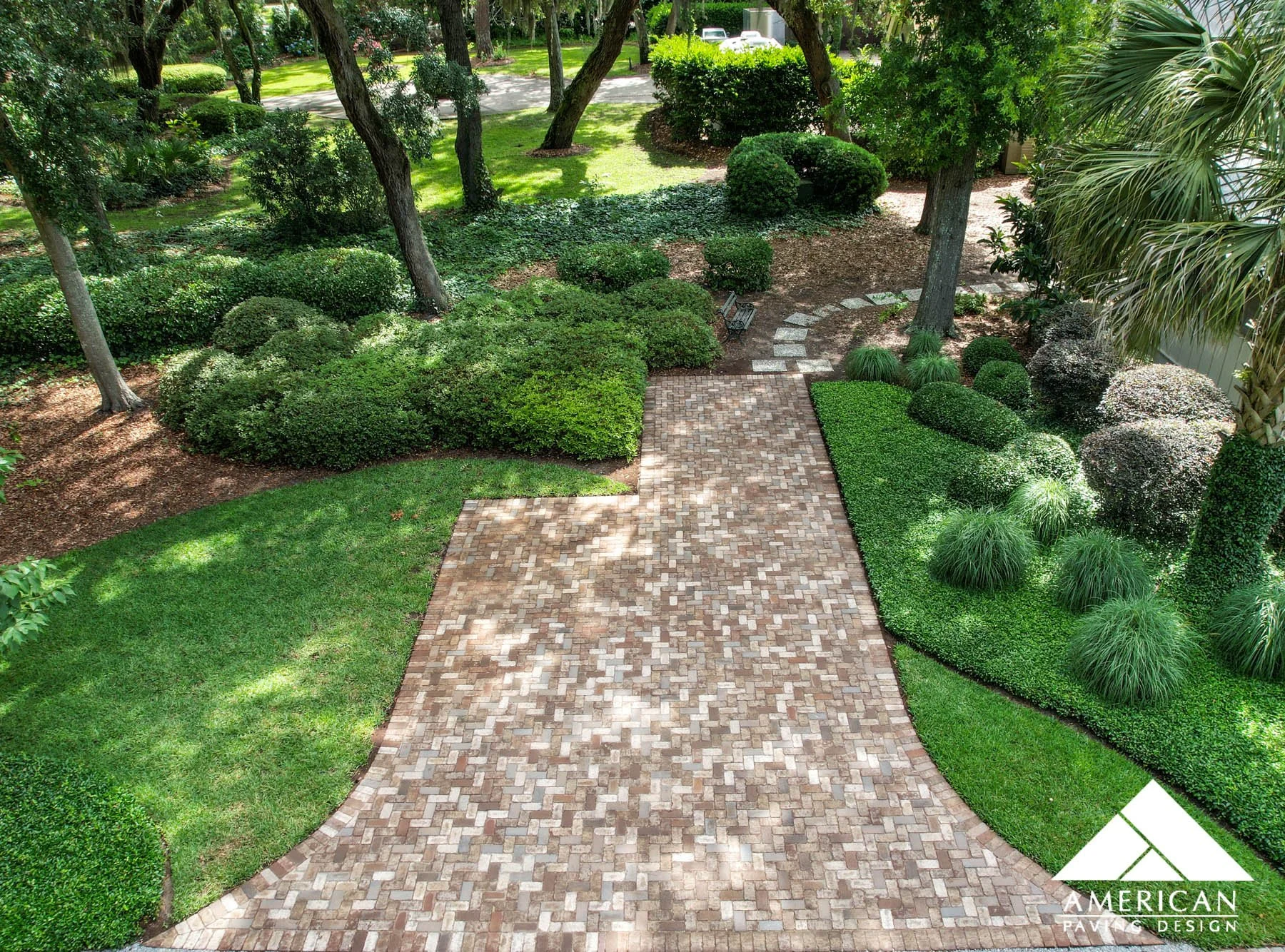
Long-term value also plays an important role. While the upfront investment for pavers may be higher than concrete, many homeowners find the lifecycle cost significantly lower. Instead of repeatedly repairing cracks, resurfacing, or replacing large sections of concrete, a properly installed paver driveway can provide decades of performance with minimal maintenance.
At American Paving Design, every driveway project begins with proper site evaluation, drainage planning, and base preparation. While the finished pavers receive most of the attention, the real success of the installation starts beneath the surface. A properly engineered foundation helps ensure the driveway remains beautiful and functional for years to come.
For homeowners who are tired of patching cracks, dealing with puddles, or looking at a worn-out driveway, pavers provide a long-lasting solution that enhances both the appearance and value of the property.
The question isn't whether you'll replace your driveway someday. The question is whether you want to replace it once—or keep repairing it forever.
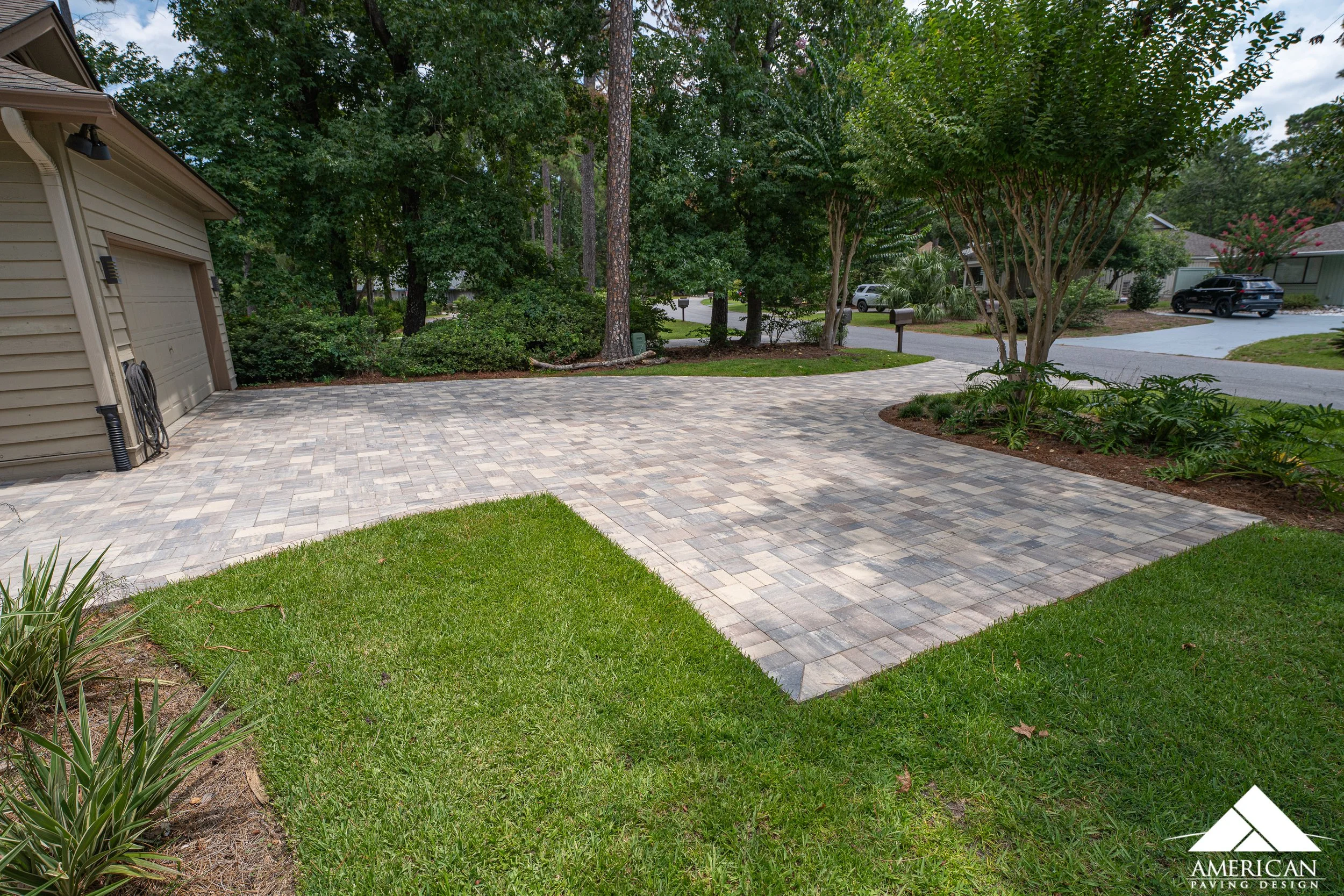
Pavers If you've lived in South Carolina for any length of time, you've probably seen it happen countless times: a concrete driveway starts cracking, holding water, staining, or sinking. What begins as a small issue often turns into an expensive repair cycle that never seems to end.
That's one of the biggest reasons homeowners across Bluffton, Hilton Head, Beaufort, Savannah, and Charleston are making the switch from traditional concrete to paver driveways.
Unlike poured concrete, paver driveways are made up of individual interlocking units installed over a properly engineered base system. This construction method allows the surface to flex with natural ground movement rather than crack under pressure.
One of the greatest advantages of pavers is durability. South Carolina's combination of heavy rain, humidity, heat, and occasional freeze-thaw conditions can be hard on concrete. Over time, these environmental factors often lead to cracks, spalling, and surface deterioration. Pavers, however, are designed to withstand these conditions while maintaining their appearance for decades.
Drainage is another major consideration. Many older driveways develop low spots where water pools after storms. Standing water not only looks unattractive but can accelerate deterioration and create safety concerns. Professionally installed paver driveways are designed with proper grading and drainage considerations to help move water away from the home and improve overall performance.
Beyond functionality, homeowners are increasingly focused on curb appeal. A driveway is often one of the largest visual features on a property. Pavers offer countless design possibilities, including different colors, textures, patterns, borders, and accents that simply aren't possible with plain concrete.
Another benefit that surprises many homeowners is repairability. If a section becomes damaged due to utility work, tree roots, or other unforeseen circumstances, individual pavers can typically be removed and replaced without tearing out the entire driveway. With concrete, repairs often result in noticeable patches that never truly match the original surface.