
Paver Driveway vs. Concrete Driveway: Which Is Better in 2026?
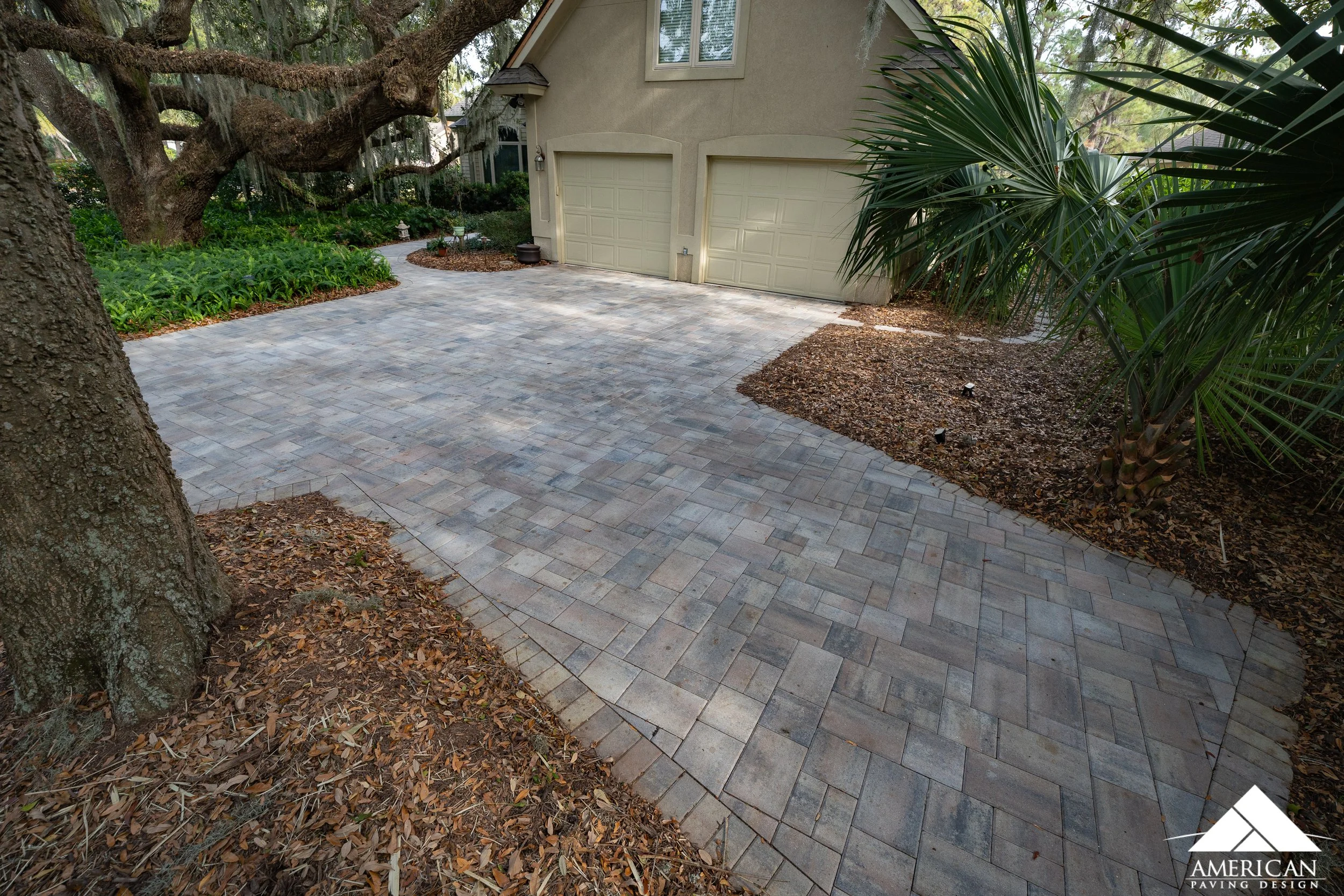
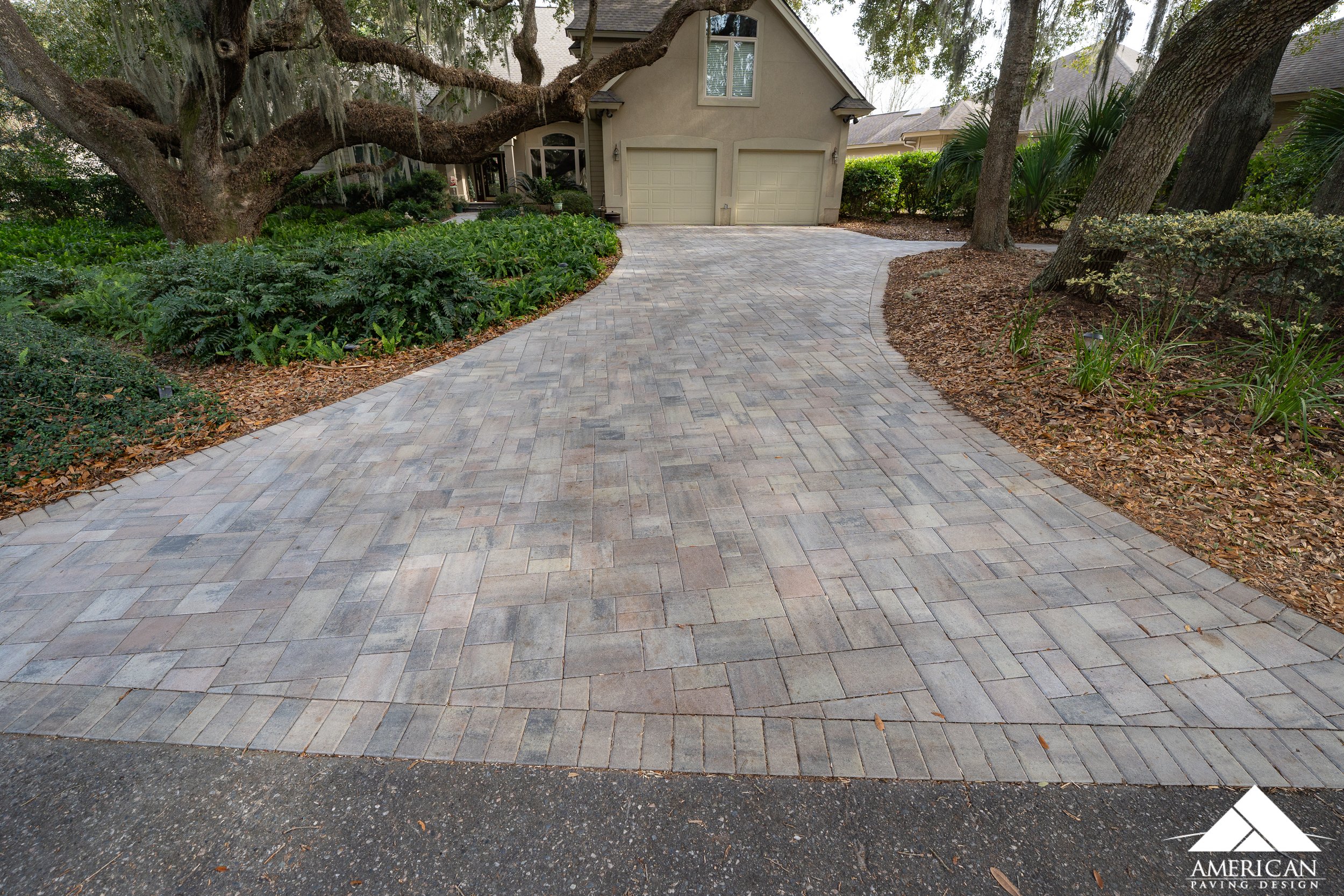
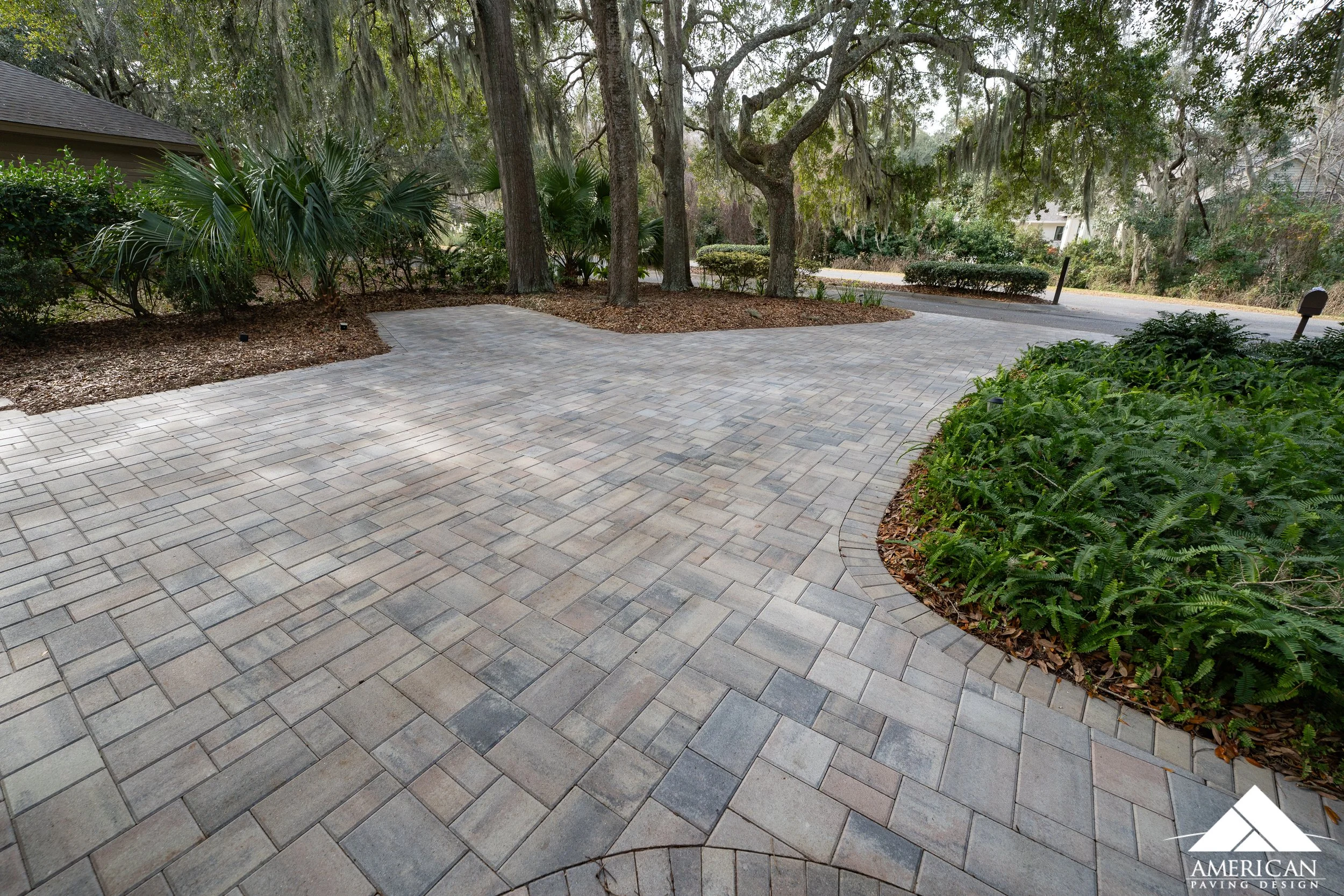
If you're planning a new driveway in 2026, you're likely asking the most common homeowner question:
Is a paver driveway better than concrete?
In coastal areas like Bluffton, Hilton Head, Charleston, and Savannah, the answer often comes down to durability, drainage, and long-term value.
Durability
Concrete slabs are prone to cracking — especially in areas with shifting soil, heavy rains, and vehicle traffic. Once cracked, repairs are visible and often temporary.
Paver driveways, on the other hand, are built as interlocking systems. Each paver moves slightly with ground expansion and contraction, reducing the likelihood of large structural cracks. If damage does occur, individual pavers can be replaced — not the entire driveway.
Drainage & Coastal Climate
Lowcountry properties deal with heavy rainfall and high water tables. Traditional concrete does not allow water penetration, leading to pooling and runoff issues.
Paver systems can be designed with permeable options, allowing water to filter naturally through the surface — reducing erosion and standing water.
Appearance & Curb Appeal
Concrete is limited in design flexibility. Even stamped concrete fades over time.
Pavers offer:
Multiple patterns (herringbone, running bond, random)
Custom borders
Color blends
Textured finishes
The result? A driveway that enhances the home rather than just functioning as a parking surface.
Long-Term Investment
While pavers may have a higher upfront cost than concrete, they often provide greater long-term value due to:
Lower repair costs
Higher resale appeal
Longer lifespan
At American Paving Design, we don’t just install driveways — we engineer structural systems designed to last decades.
In 2026, homeowners aren’t asking for “just concrete.”
They’re asking for performance, design, and longevity.