
Why Proper Base Preparation Is the Most Important Part of Any Paver Project
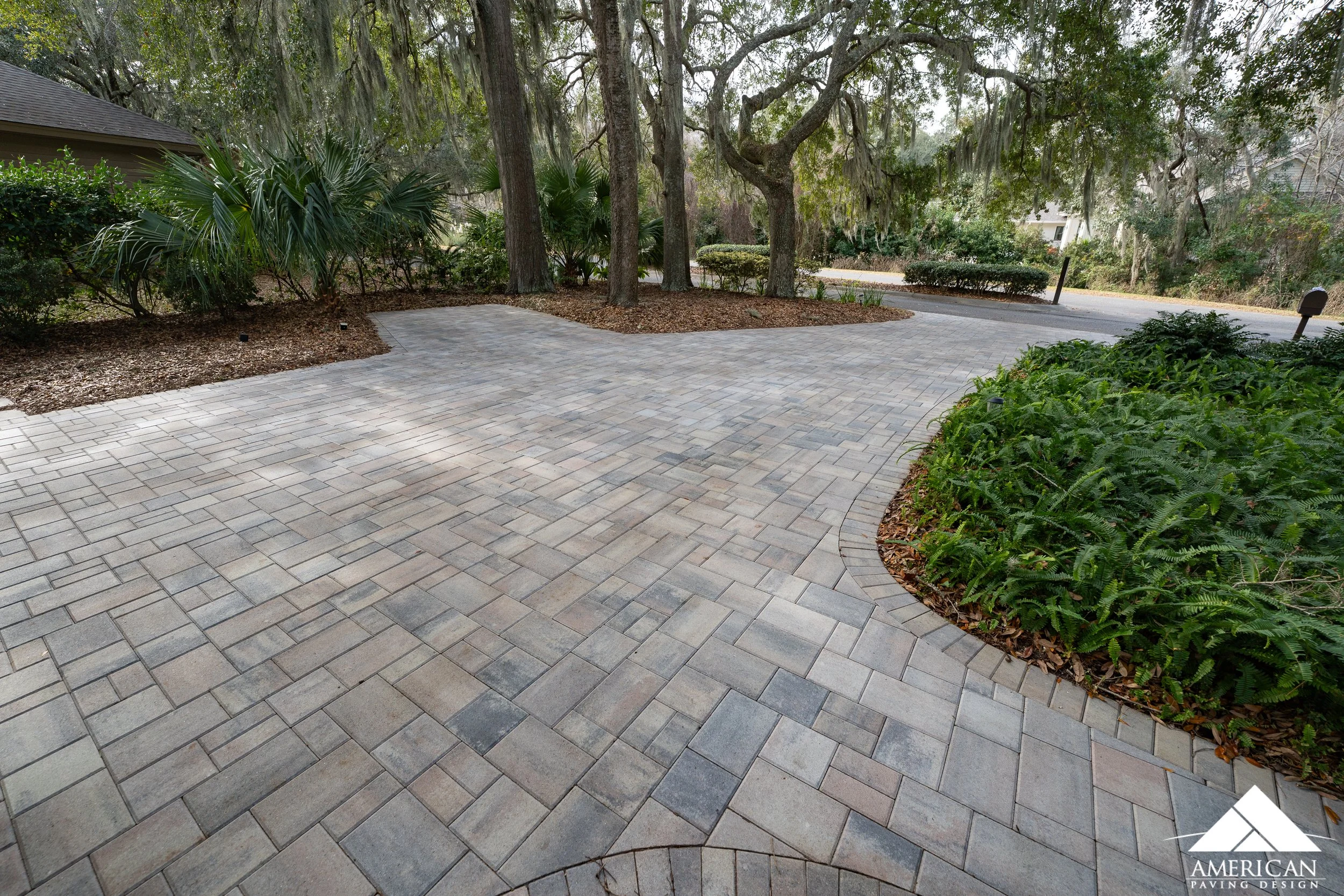
Why Base Prep Matters So Much
Driveways, patios, and pool decks all experience different types of stress. Driveways must support vehicle loads. Pool decks deal with moisture and constant foot traffic. Patios require stability for furniture, fire pits, and outdoor kitchens.
Without a properly compacted base, even the highest-quality pavers will fail.
Drainage Is Everything
Water is the number-one enemy of hardscape longevity. Poor drainage causes erosion beneath the pavers, which eventually leads to settlement and surface failure. A well-built base directs water away from the structure or allows it to filter naturally through permeable systems.
This is especially critical in coastal areas like Bluffton, Hilton Head, and Savannah, where soil conditions change frequently.
Standards Matter
Professional installers follow ICPI (Interlocking Concrete Pavement Institute) guidelines to ensure consistent results. These standards account for soil conditions, load requirements, and climate factors—things DIY installs and low-cost contractors often ignore.
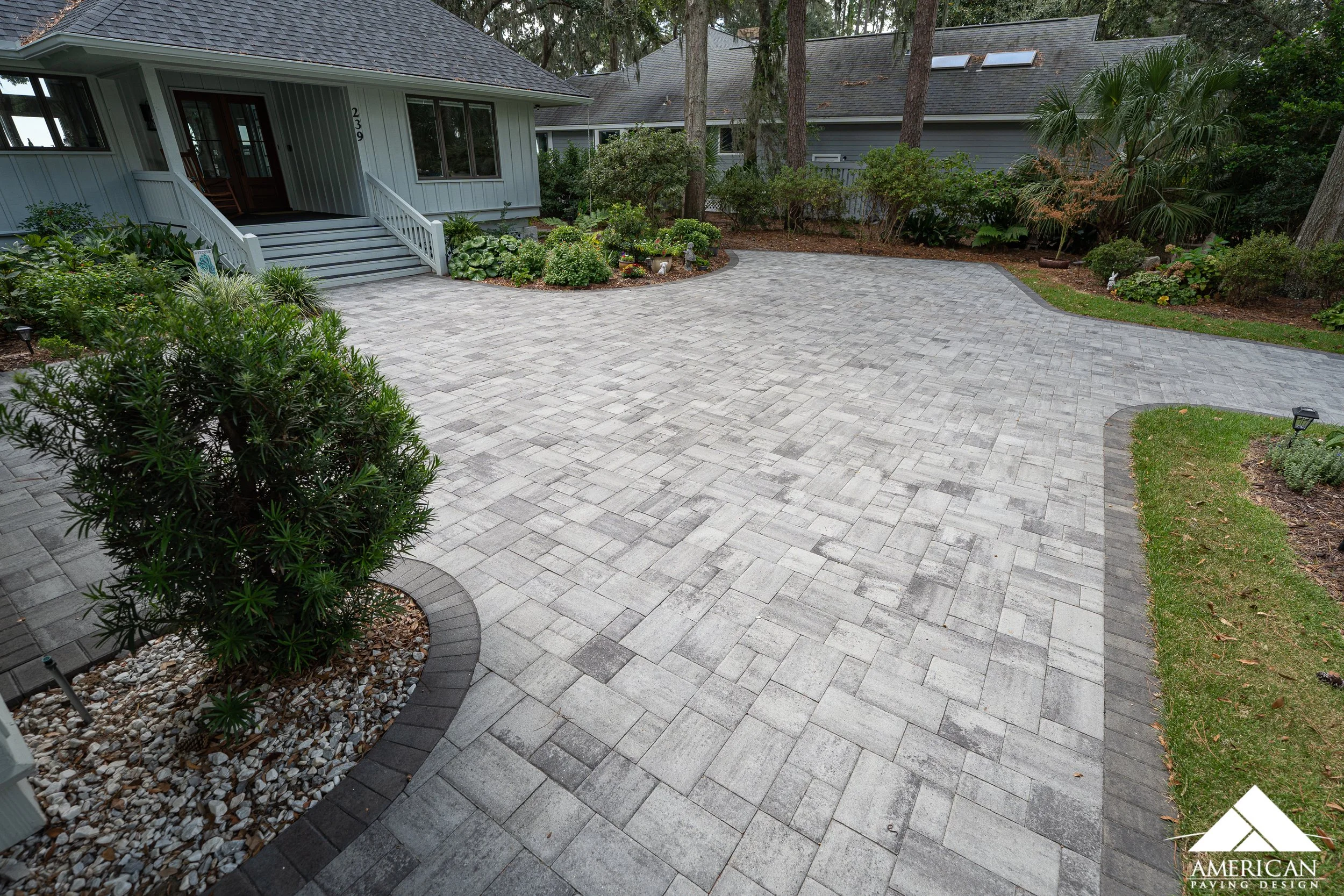
Paver Installation 101: Proper Base
Pavers may be what you see—but the base beneath them determines how long your project will last.
At American Paving Design, we often say that a paver project is only as good as the foundation underneath it. Unfortunately, base preparation is also the most overlooked part of hardscape construction.
What Is a Paver Base?
A proper paver base consists of multiple layers designed to support weight, manage drainage, and prevent movement. This typically includes excavation, compacted aggregate, geotextile fabric when needed, and precise grading.
Skipping steps or rushing this process leads to common problems like sinking, shifting, and uneven surfaces.
Why Base Prep Matters So Much
Driveways, patios, and pool decks all experience different types of stress. Driveways must support vehicle loads. Pool decks deal with moisture and constant foot traffic. Patios require stability for furniture, fire pits, and outdoor kitchens.
Without a properly compacted base, even the highest-quality pavers will fail.
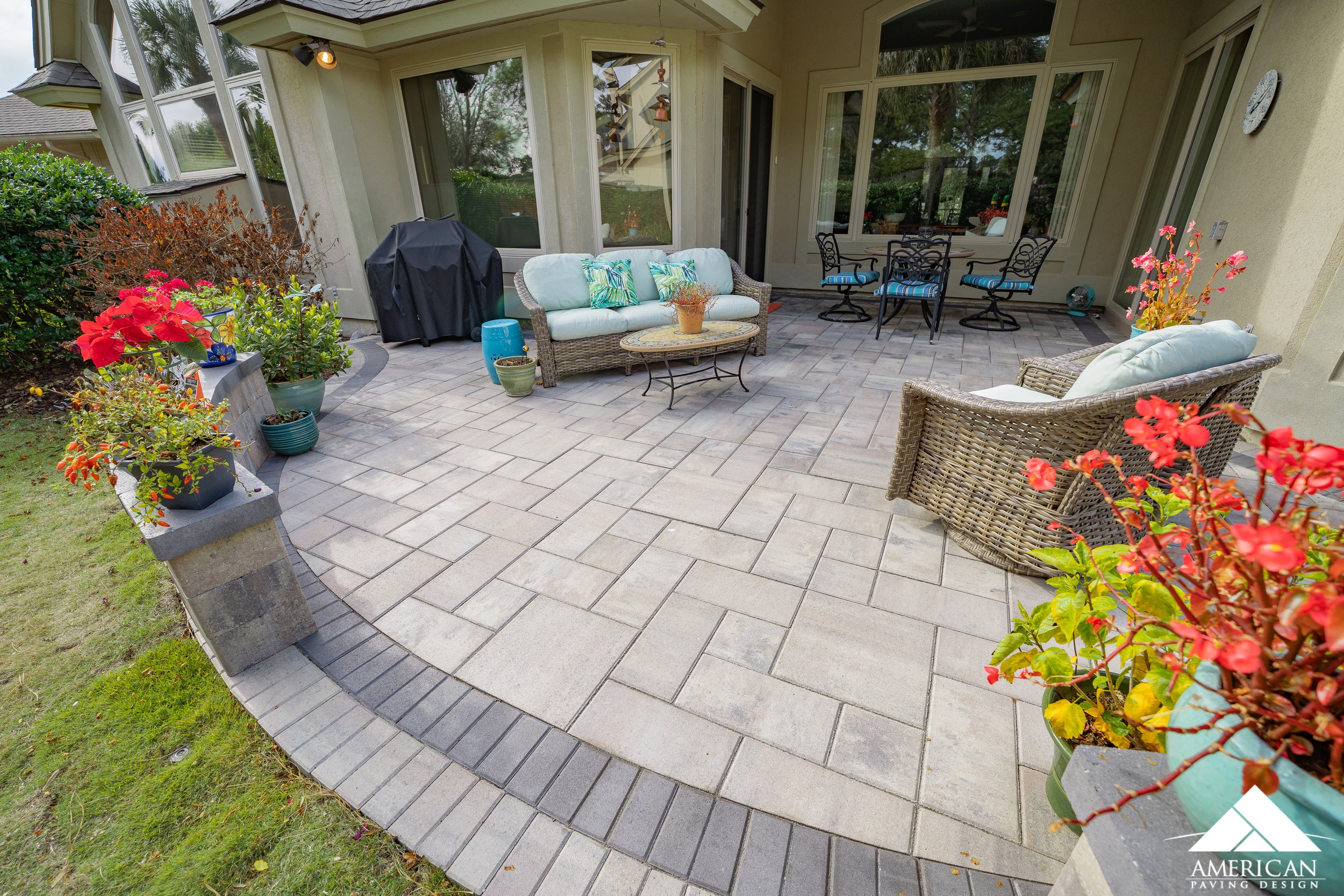
What Homeowners Should Know
If a contractor doesn’t talk about base depth, compaction methods, or drainage strategy, that’s a red flag. Base preparation may not be visible once the project is complete—but it’s what determines whether your investment lasts five years or thirty.
Built Right from the Ground Up
At American Paving Design, we don’t cut corners below the surface. Our projects are engineered for performance first—so beauty is backed by durability.